
Living specifications for legacy and enterprise systems
The spec your legacy systems never had.
Catalio reads the code, configuration and metadata your platforms already have, writes down every rule it finds, and keeps that specification current. Written by AI. Verified by your team.

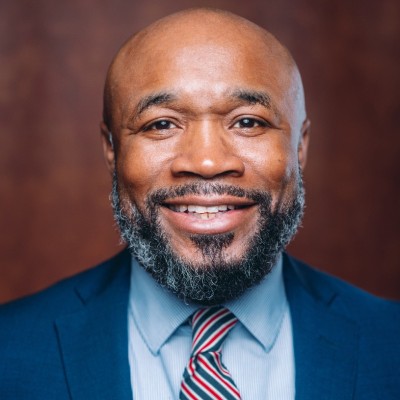
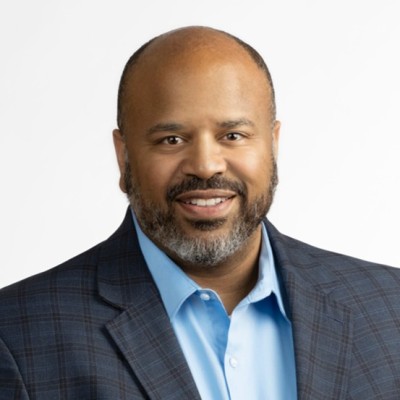 Advised by former CIOs and CTOs of Sysco, Genesys, Cadbury and SUPERVALU
 Salesforce
 GitHub
 Linear
+ any API or metadata export
Linear
+ any API or metadata export
How it works
From the code nobody reads to a requirement anyone can verify.
Extract → Understand → Evolve
IF WS-CUST-STATE = 'CA'
   COMPUTE WS-TAX-AMT =
     WS-INV-AMT * WS-CA-RATE
END-IF
PERFORM 9000-APPLY-EXEMPTIONS
One living spec for every application you own.
Legacy Billing Platform
• activeInitiatives
Journeys
Personas
Policies
Requirements
What you get
Six things a wiki will never do for you.
A spec that stays current
Coverage moves as the system moves. Last synced two hours ago, not two years.
Gap analysis before anyone writes code
Every initiative is compared against what the legacy system actually does. Missing rules, new capabilities and behaviour changes surface as a list, not as an incident.
Drive it from your editor
Every action is an MCP tool. Scan, review candidates, confirm requirements and resolve proposals from Claude Code or Cursor without opening the browser.
The MCP workflow →› start_extract_scan(application: "legacy-billing") → enqueued · stage: capabilities › list_extract_candidates(status: "detected") → 12 candidates › triage_candidate(type: "requirement", id: "REQ-0147", decision: "confirm")
Verified by people, not just generated
- ✓REQ-0147 · verified by Finance
- ✓REQ-0152 · verified by Billing
- ○POL-04 · awaiting review
Connects to what you run
Context your AI tools can use
"Implement invoice validation per state, thresholds from policy:tax-pol-04…"

Verified by people
AI writes the first draft. Your team owns the truth.
Catalio proposes requirements from systems you already run — humans confirm, assign owners, and keep the living spec honest.
Modernization
The risk isn't technical. It's the rule you didn't know existed.
A workflow that only fires on the third Tuesday of the month. A validation buried in a stored procedure. Gap analysis compares what the legacy system actually does against what the target needs, before it becomes an incident. How gap analysis works →

What exists in legacy that isn't planned for the target?
missing requirementsWhat's planned for the target that doesn't exist today?
new capabilitiesWhat exists in both but behaves differently?
transformation riskAdvisory board
Guided by enterprise veterans who ran the systems we document.

Full bio
Wayne has 40 years helping food, retail, distribution, and consumer products companies transform their businesses worldwide. He most recently served as Executive Vice President and Chief Technology Officer at Sysco Corporation, the global leader in foodservice distribution, and was previously Chief Information Officer at SUPERVALU and Global CIO at Cadbury PLC, where he was based in the UK and led ERP and customer-facing programs across six continents. Wayne is currently an Independent Director at Armstrong World Industries (NYSE: AWI). He is a Boardroom Certified Qualified Technology Expert (QTE) and a 2017 inductee into the CIO Magazine Hall of Fame.
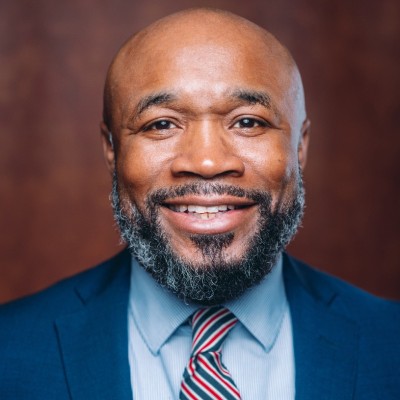
Full bio
Jonathan has 25+ years building and scaling technology organizations across healthcare, financial services, energy, and SaaS. He founded and grew ForceIQ through its acquisition by Huron Consulting Group, and has served as CTO and strategic advisor to PE-backed and enterprise product companies at critical growth inflection points. His background spans platform modernization, engineering transformation, and responsible AI adoption, with a focus on how large organizations navigate complex technical change.
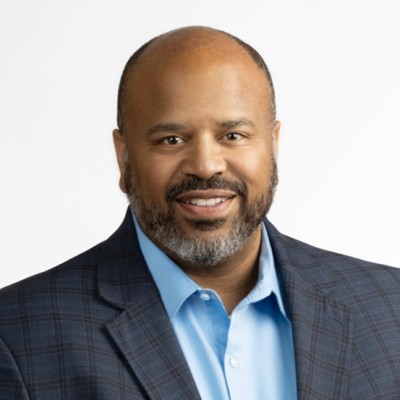
Full bio
Wesley has 30+ years building and scaling global technology organizations and leading enterprise-scale digital transformation. He most recently served as CIO at Genesys and enterprise strategist at Amazon Web Services, with prior senior technology leadership roles at Sysco and Walmart, spanning retail, wholesale distribution, hyperscaler cloud, SaaS, and telecom. His work spans cloud and platform modernization, responsible AI/ML and data adoption, and post-M&A integration across global, matrixed environments. Wesley was named a 2023 Orbie Global CIO of the Year.
What is Catalio?
Catalio is a change management system with documentation as the foundation. We connect to your platforms, extract institutional knowledge with AI, and create a living system of record for how your software is built and changed — from legacy systems to modern SaaS.
What platforms does Catalio support?
Available today: Salesforce (Beta), GitHub, Linear, and Azure DevOps (work-item linking) — plus any application with APIs or metadata access (COBOL mainframes, custom ERP, internal tools, and legacy databases). ServiceNow and NetSuite connectors are on the roadmap. Our connector library is growing; Catalio works with any system your team builds on.
How is Catalio different from Confluence or wikis?
Catalio extracts documentation from your platforms automatically — it's not a wiki that depends on someone writing and updating pages. It's AI-generated, human-verified living documentation that stays current as your systems change. No more stale docs.
How does the AI extraction work?
Catalio connects to your platforms and pulls in metadata, configurations, and customizations. AI analyzes each component, generates plain-language summaries and semantic tags, then structures everything into features and requirements for your team to review and verify.
How long does it take to get started?
Most organizations have their first application documented within days. Connect your system, let AI sync and enrich your components, and review the extracted specification. For enterprise-wide adoption, we recommend a phased approach starting with high-priority systems.
Does Catalio replace our existing documentation?
No — it complements and connects. Catalio becomes the source of truth for how systems are built and changed, linking to your existing docs, wikis, and artifacts rather than replacing them. Think of it as the living layer on top.
Can Catalio help with platform migrations?
Yes — that's one of our strongest use cases. Extract business rules from the source platform, map them to the target architecture, and trace every requirement through implementation. Teams report 40% faster migrations with zero business logic loss.
Is Catalio secure enough for enterprise use?
Enterprise-grade encryption at rest and in transit, role-based access control, comprehensive audit logging, and SSO support via SAML 2.0 and OAuth 2.0. Security and data protection are foundational to our platform.
What if we don't have legacy systems?
Catalio is for any organization that wants to understand and document how their software works. New platforms benefit from living documentation too — start the spec before you build, and keep it current as the system grows.
Get started
Ready to finally understand your systems?
A working session on one of your systems: connect it, watch the extraction, and read the first requirements together. 30 minutes.
- → First application documented in days, not months
- → Encryption · RBAC · SSO via SAML 2.0 / OAuth 2.0 · audit logs
- → Our team connects your first platform with you